The Difference Between Double and Triple Glazing: Is Triple Glazing Worth It?
2nd November 2026 Comments
2nd November 2026 Comments

Replacing old windows or upgrading your home’s energy efficiency eventually brings you to a big decision: should you go with double or triple glazing? Both options keep your home warm, quiet, and comfortable, but they differ in how they’re built, how well they perform, and what they cost.
While double glazing remains the tried-and-tested choice for most UK homes, triple glazing is becoming increasingly popular for anyone looking to maximize insulation. That said, adding a third pane of glass isn’t automatically the right move for every property. Knowing how both options work will help you choose what best fits your home, your lifestyle, and your budget.
Double glazing uses two panes of glass with a sealed space in between, usually filled with air or an insulating gas like argon. That gap acts as a thermal barrier, slowing down heat transfer so your home holds onto its warmth in winter and stays cooler in summer.
Modern double-glazed units often include low-emissivity (Low-E) coatings and warm-edge spacer bars to boost efficiency even further. For homes across Derby and Derbyshire, modern double glazing strikes a great balance. It cuts down heat loss, quietens outdoor noise, reduces glass condensation, and offers fantastic overall value.
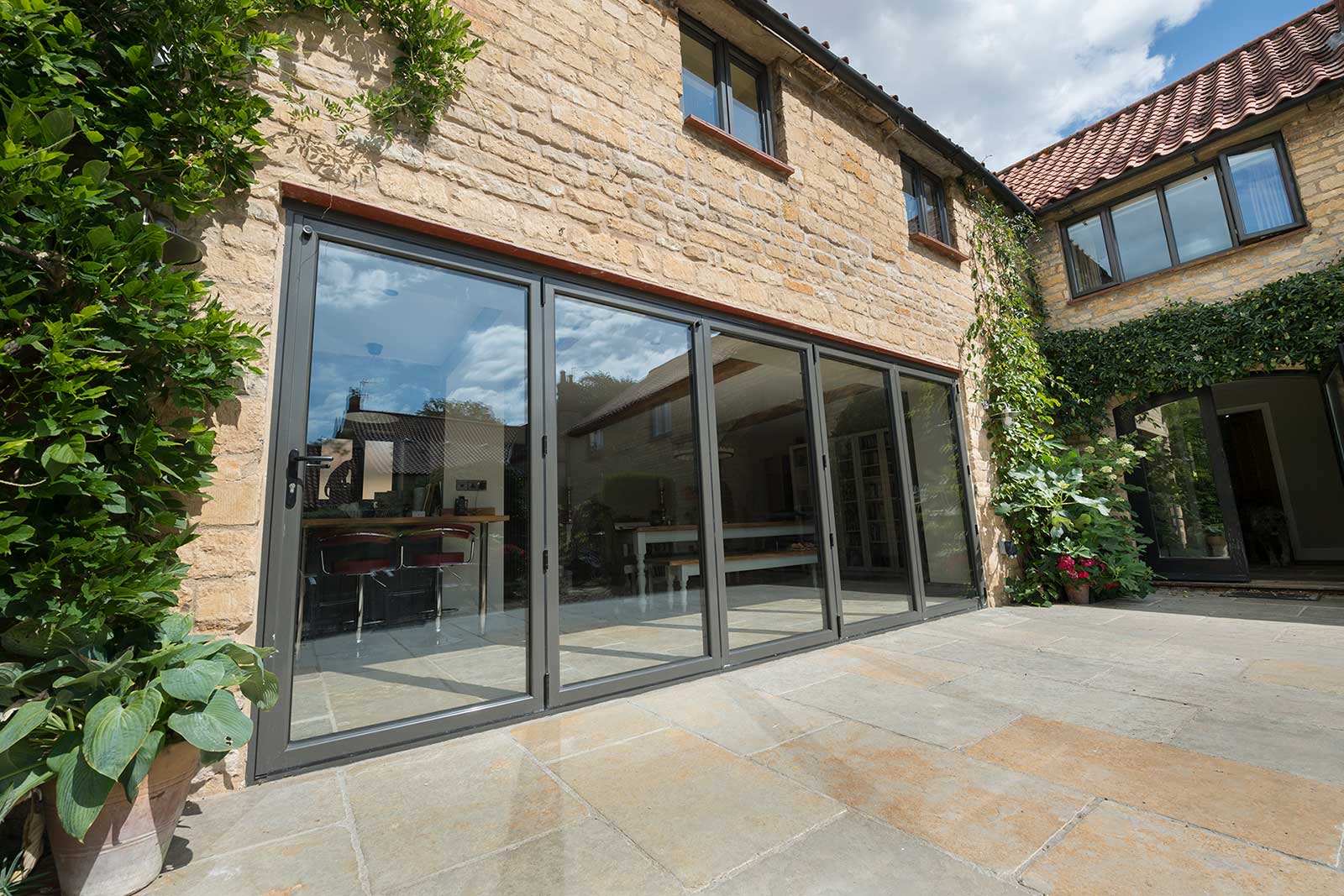
Triple glazing works on the same basic principle, but with three panes of glass and two insulating cavities instead of one. Those extra layers create an even stronger barrier against heat loss, making it easier to maintain steady room temperatures.
It’s a particularly smart option if insulation is your top priority – for example, if you’re building a low-energy home or live in an exposed area that gets hit by severe cold and wind. Triple glazing keeps the inside pane noticeably warmer to the touch and pairs brilliantly with high-performance window frames. However, because the unit is heavier, the frames and hardware need to be sturdier to support the weight safely.
Window insulation is measured using a U-value (W/m2K) – the lower the number, the better the window holds onto heat. Top-quality modern double glazing usually achieves a U-value around 1.2 to 1.4, while high-spec triple glazing can drop below 1.0. Remember to check the rating for the entire window (frame included), not just the central glass pane.
While more glass generally helps reduce noise, adding a third pane isn’t the only way to block sound. Differences in glass thickness, laminated acoustic glass, and precision fitting play a massive role too. In fact, standard triple glazing isn’t automatically quieter than purpose-built acoustic double glazing.
Internal condensation happens when warm, moist indoor air hits a cold glass surface. Because energy-efficient glazing keeps the inner glass much warmer, both double and triple glazing significantly cut down on condensation droplets. Triple glazing keeps the inner pane the warmest, though good indoor ventilation is still key regardless of which windows you choose.

Double glazing lets in slightly more natural light and free heat from the winter sun. Triple glazing’s extra pane can subtly reduce solar heat gain, which is helpful if you want to prevent south-facing rooms from overheating in summer, but means slightly less natural warming during cold snaps.
Double glazing uses fewer materials and is quicker to manufacture, keeping upfront costs lower. Triple glazing carries a higher price tag due to the extra glass, specialised framing, and added weight. While triple glazing saves more energy over time, the extra heating bill savings compared to modern double glazing mean it takes longer to recoup the initial outlay.
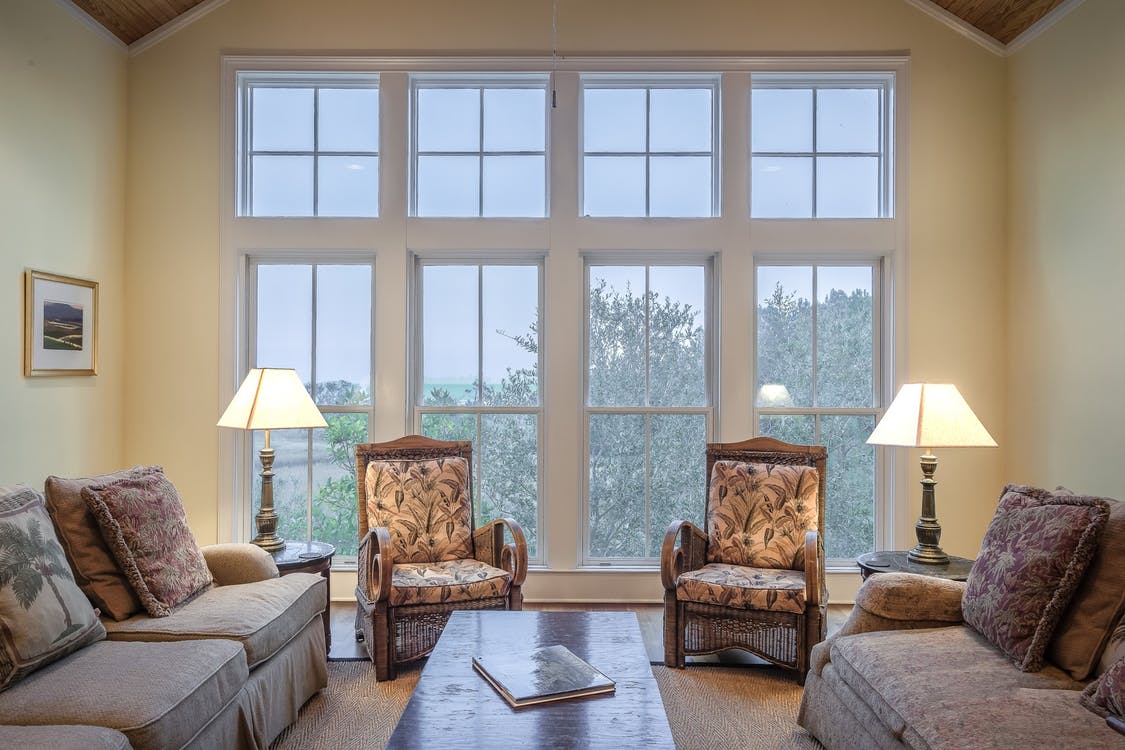
Upgrading to triple glazing makes the most sense if:
If you’re simply replacing drafty single glazing or older double-glazed units, modern double glazing will already deliver a dramatic upgrade in comfort, warmth, and soundproofing without breaking the bank.
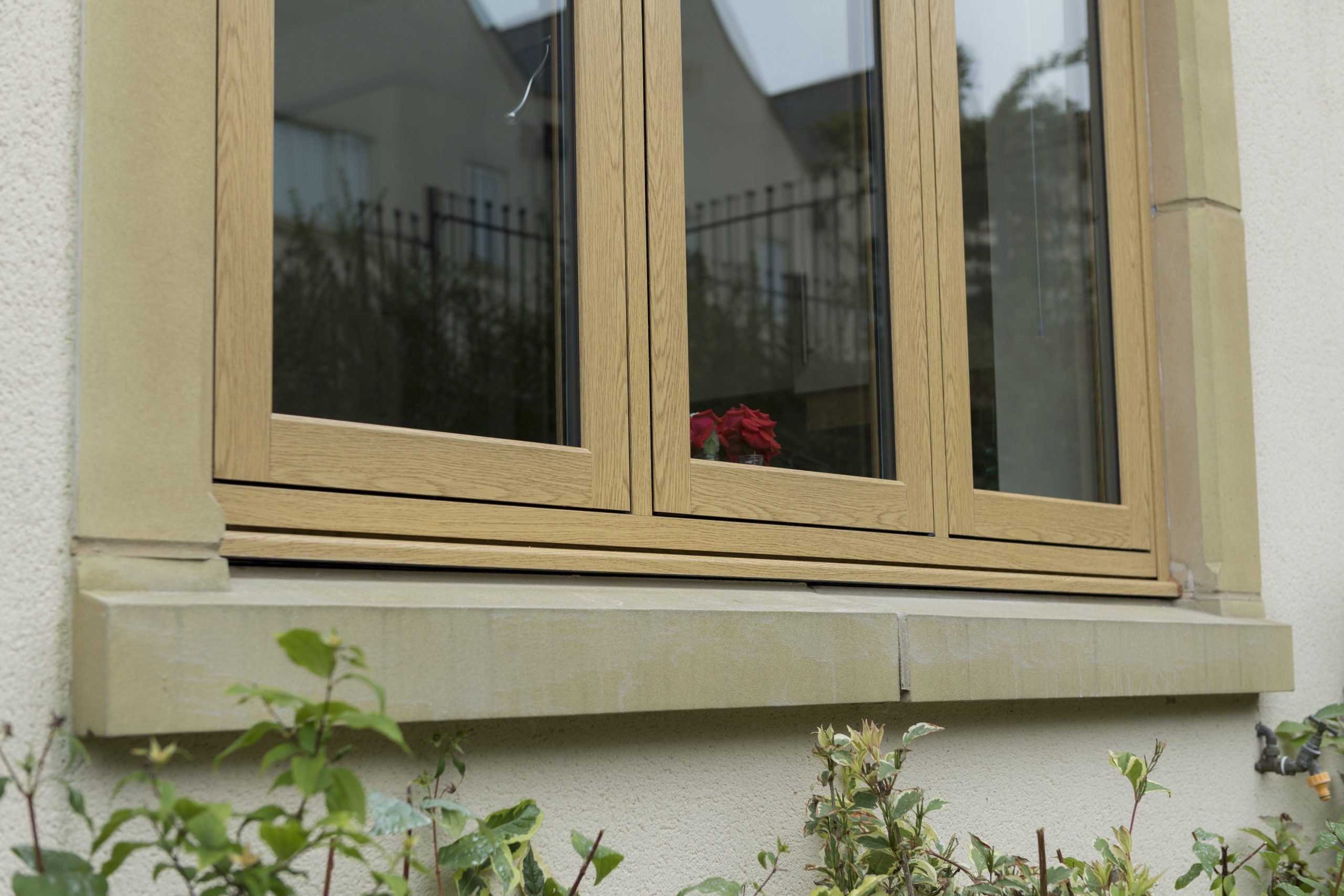
In almost all cases, no. Triple-glazed units are significantly thicker and heavier than double-glazed ones, so older frames simply don’t have the depth or structural strength to hold them properly. Switching to triple glazing usually means replacing the whole window assembly.
Choosing between double and triple glazing comes down to your home’s location, your renovation plans, and your budget. High-quality double glazing remains the ideal pick for standard UK homes wanting exceptional warmth, security, and affordability. Triple glazing gives you that extra layer of thermal armor when peak efficiency is your main goal.
At Kedleston Glass & Glazing, we supply and fit energy-efficient windows right across Derby, Derbyshire, and the surrounding regions. From classic uPVC casement windows to timeless Heritage flush sash designs, we have options to suit every style of property.
Our friendly team is always here to help you weigh up frame styles, glass specs, and energy ratings so you get windows you’ll love for years to come. Get in touch with Kedleston Glass & Glazing today to chat about your project and find the right fit for your home.