How Much Can New Windows Reduce Your Energy Bills? | Energy Saving Guide
3rd June 2026 Comments
3rd June 2026 Comments

With energy costs remaining a top priority for UK homeowners in 2026, finding effective ways to save electricity and gas is more than just a trend- it’s a financial necessity. While many people start with small energy saving tips like turning off lights, one of the most impactful changes you can make to your property is upgrading to energy-efficient windows.
At Kedleston Glass & Glazing, we often get asked: “Will new windows actually lead to noticeable home energy savings?” The short answer is a resounding yes. In this guide, we’ll break down exactly how much you can expect to save and why modern glazing is the secret to a low electric bill.
Did you know that up to 18-25% of heat loss in a typical UK home occurs through outdated windows? If you are still using single glazing or older double-glazed units from the early 2000s, you are effectively paying to heat the outside air.
Older windows suffer from:
By replacing these with modern uPVC windows, you create a thermal barrier that helps you save energy at home by keeping heat in during the winter and out during the summer.
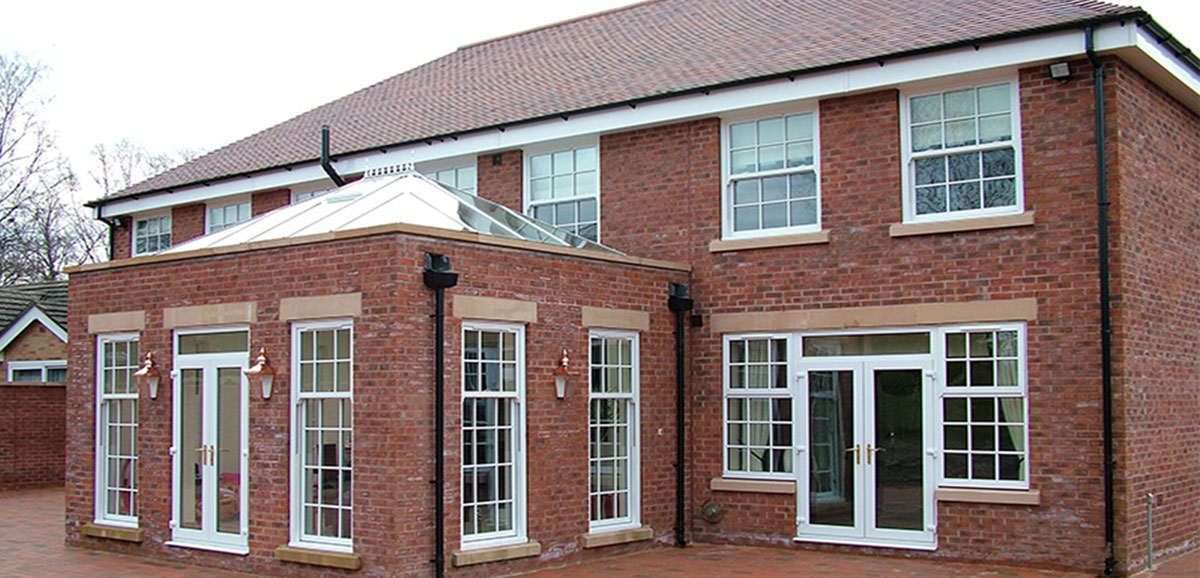
Triple glazing consists of three panes of glass separated by two air or gas-filled gaps. This creates a much more robust thermal barrier than double glazing. In terms of saving energy, triple glazing can reduce heat loss by an additional 40% compared to standard A-rated double glazing.
If you live near a main road or a noisy town centre, triple glazing offers significantly better acoustic insulation. While the upfront cost is higher, for homeowners committed to long-term home energy savings, triple glazing is a future-proof choice that adds significant value to your property
The amount of energy savings you’ll see depends on your current setup and the type of home you live in. According to 2026 data from the Energy Saving Trust, upgrading from single glazing to A-rated energy-efficient windows can save between £195 – £285 annually in a detached house, £125 – £195 in a semi-detached home, and £80 – £115 in a bungalow.
Over the 20-to-25-year lifespan of a window, these savings can total thousands of pounds, effectively paying for the installation while significantly increasing your property’s value.
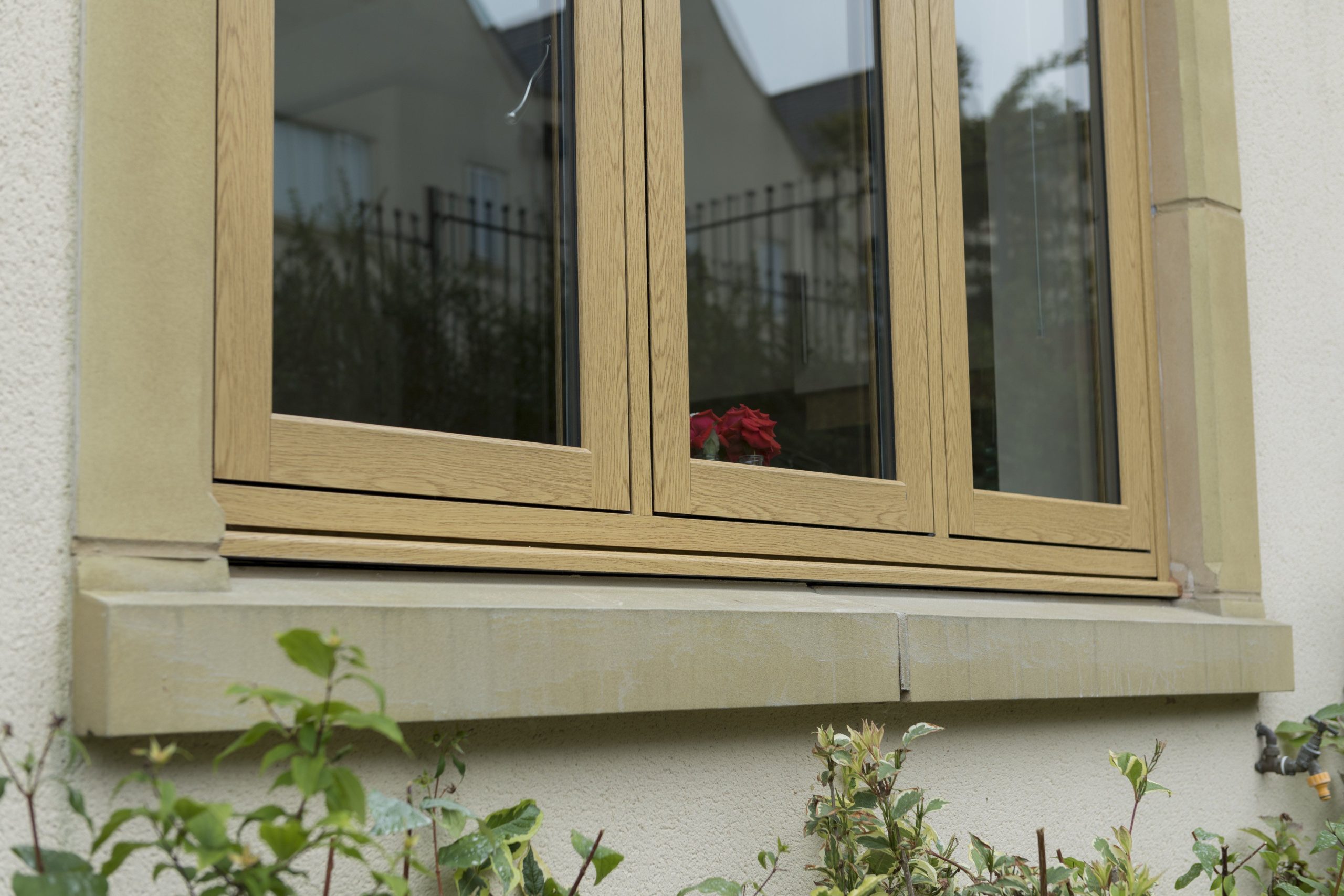
Choosing the right energy-efficient windows depends on your property style, budget, and specific energy saving tips you wish to prioritise. At Kedleston Glass & Glazing, we offer several options:
uPVC is the most popular choice for those looking for ways to save electricity on a budget. Modern uPVC frames are designed with multi-chambered profiles that trap air, making them incredible insulators. They are low-maintenance, durable, and offer some of the best energy savings for the price point.
If you prefer a sleek, modern aesthetic, aluminium is the way to go. In the past, aluminium was considered less efficient, but our modern frames feature polyamide thermal breaks. These act as a barrier to stop heat from conducting through the metal, ensuring your home stays warm and your electric bill stays low.
For traditional or heritage homes, flush sash windows offer the timber look with all the benefits of modern energy-efficient windows. You get the aesthetic of a classic cottage without the draughts and high heating costs.
While new windows are a heavy hitter for saving energy, combining them with other ways to save electricity can help you achieve that elusive low electric bill.
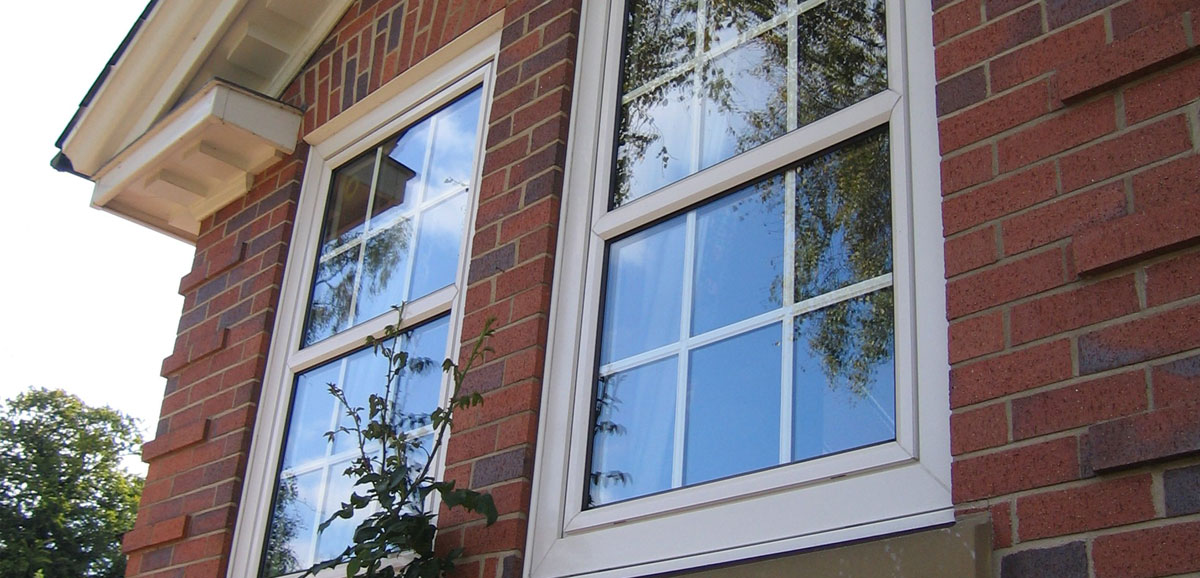
Investing in home energy savings requires a partner you can trust. Based in Derbyshire, we specialise in high-performance Aluminium and uPVC solutions that meet the strictest 2026 energy standards.
Our energy-efficient windows aren’t just about the low electric bill; they also offer:
If you’re tired of watching your hard-earned money disappear through leaky windows, it’s time to take action. Saving energy starts with a better-insulated home. By choosing energy-efficient windows, you are making a long-term investment in both your comfort and your bank account.
Contact Kedleston Glass & Glazing today for a free, no-obligation quote. Our team will help you find the perfect windows to match your home’s style while maximising your energy savings for years to come.
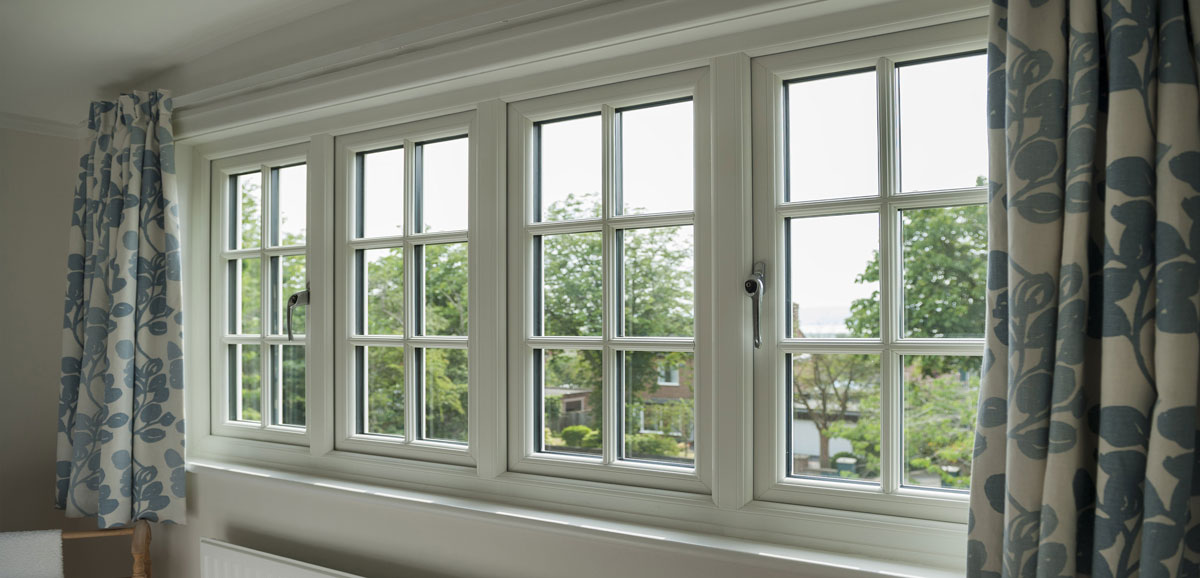
Absolutely. While we often focus on keeping heat in during winter, energy-efficient windows also work to keep excessive heat out during summer heatwaves. This reduces the need for fans or air conditioning, helping you maintain a low electric bill year-round.
Triple-glazed casement windows are the most efficient. The third pane of glass provides an extra thermal barrier, while the casement design creates a tight, airtight seal against the frame when closed, preventing draughts more effectively than sliding styles.
Window Energy Ratings (WER) follow a scale where A++ is the most efficient and G is the least. Choosing A-rated energy-efficient windows ensures maximum home energy savings, whereas an F rating indicates poor insulation and higher heat loss.
They consist of Low-E glass (coated to reflect heat), Argon gas (filled between panes to slow heat transfer), and Warm Edge Spacer bars. These are housed in frames made of multi-chambered uPVC or thermally-broken aluminium to prevent heat from escaping.
In 2026, individual energy-efficient windows typically range from £500 to £1,250 including installation. A full house of windows usually costs between £5,000 and £12,000. While costs vary by material, the investment is offset by a low electric bill and increased property value.